Hermès Terre d’Hermès Parfum Review: Ellena’s Mineral-Woody Masterwork in Its Highest Concentration
 DealNest
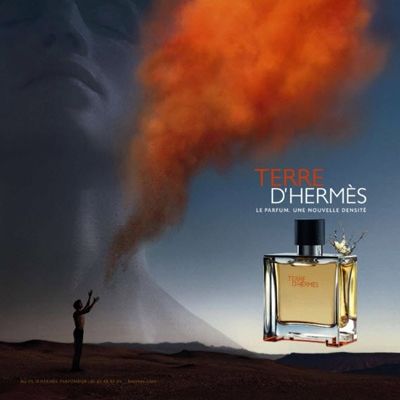
 “Feel the earth, lying on your back, your eyes in the heavens.” — Jean-Claude Ellena
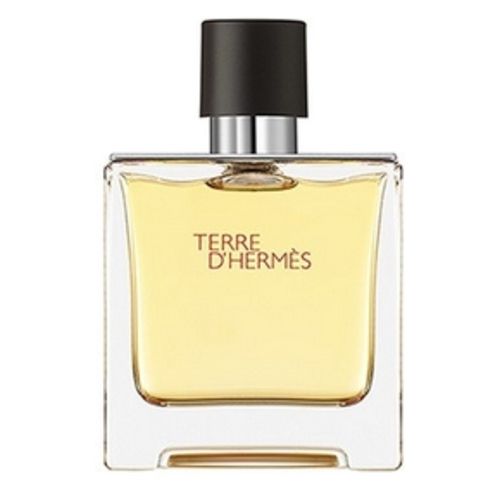
Some fragrances are a story; Terre d’Hermès is a landscape. Terre d’Hermès Parfum — the highest-concentration expression of Jean-Claude Ellena’s now-iconic composition for Hermès — takes the orange-and-mineral idea that defined the 2006 original and lets it breathe at full volume. It is a quieter, denser, more elemental reading of the same landscape. This is a long look at what the Parfum concentration is, how it differs from its siblings, how it smells on skin, and why, almost twenty years after the original launched, the Terre d’Hermès line is still one of the most coherent pieces of mainstream men’s perfumery in the market.
The Terre d’Hermès story
Terre d’Hermès arrived in 2006 as the first major men’s fragrance composed by Jean-Claude Ellena after Hermès appointed him in-house perfumer in 2004. Hermès’s decision to bring a perfumer in-house — a rarity in the modern industry, which largely contracts its compositions out to the big fragrance houses — was itself a statement of intent. It gave Ellena the latitude to work slowly, to return to ideas across multiple fragrances, and to build an aesthetic that belonged identifiably to the maison rather than to a single commercial brief.
Terre d’Hermès is that aesthetic in its most concentrated form. Ellena’s vision for the fragrance was not a perfume about the earth in an ornamental sense — no flowers, no forests, no soft pastoral green. It was a fragrance about matter itself: the mineral, the vegetal, the woody, and the sky above them. The Ellena quote that sits atop this article — “feel the earth, lying on your back, your eyes in the heavens” — is the closest thing to a mission statement for the composition, and it holds up on wear. The fragrance is earthbound and airy at once.
The Parfum concentration
Terre d’Hermès exists in multiple concentrations, and while the Eau de Toilette is the version most wearers encounter first, the Parfum is the version Hermès has pointed to as the composition in its most complete form. It is denser, slower, and weighted more heavily toward the woody and mineral base. Where the EDT sparkles and skips, the Parfum sinks and holds.
Practically, that translates to three differences a wearer will notice immediately. First, the citrus opening is shorter and less carbonated — grapefruit and orange still announce the fragrance, but they hand off to the heart much faster. Second, the mineral register is more pronounced; the flinty, almost-ozonic quality that Ellena built into the composition is audible from the first minutes rather than emerging gradually. Third, the base is substantially longer. In the Parfum, the benzoin-and-oakmoss drydown can sit on skin for the better part of a day, keeping the body of the fragrance intact well past the point where the EDT has quietly surrendered.
If you already wear and like the EDT, the Parfum is not a different fragrance — it is the same landscape, seen at dusk instead of noon.
Olfactory profile
- Family: Woody — Chypre
- Top notes: Orange, Grapefruit, Shiso
- Heart notes: Mineral notes, Flint
- Base notes: Benzoin, Oak Moss, Woody notes
- Perfumer: Jean-Claude Ellena
- For: Men
- Concentration: Parfum
How it wears
On skin, Terre d’Hermès Parfum moves in slower chapters than most fragrances in this register, and the pacing is part of its appeal.
The opening is unmistakable. Orange and grapefruit arrive together in a citrus chord that is dry rather than sweet — an important distinction; this is not the sugar-edged citrus of a summer cologne but the rind-and-pith version, closer to squeezing a grapefruit over a stone counter. Shiso, the Japanese perilla leaf, threads a green, slightly peppery line through the top notes, and for readers who know the ingredient from its culinary uses the link lands immediately. Within fifteen or twenty minutes the citrus has receded, but it does not disappear; it becomes a persistent lower register beneath what follows.
The heart is where the fragrance’s signature idea emerges. “Mineral notes” and flint on an ingredient list can sound abstract, but on skin the effect is concrete and unusual: a cool, dry, slightly smoky quality — something like the air just after rain on a stone path. This is the aspect of Terre d’Hermès that has influenced a generation of men’s fragrances released after 2006, and in the Parfum concentration it is present at full volume. The effect is less “natural world” than “geological world” — a fragrance that reads as stone rather than soil.
The base, over several hours, is the warm counterweight the mineral heart has been earning. Benzoin brings a resinous, balsamic sweetness; oakmoss grounds the whole composition in the classical chypre tradition; woody notes carry the drydown into the following morning on fabrics. In a generous application, the Parfum drydown is still recognisable on a scarf the next day.
Who it’s for
Terre d’Hermès Parfum is the version of the fragrance for wearers who already know what they like about it. It is not the introduction to the line — the EDT is a better and more versatile starting point — but it is the version a dedicated wearer tends to migrate to over time. If you have worn the EDT for years and found yourself wanting more of the base and less of the top, the Parfum is the answer to that question.
It works across more seasons than the Eau de Toilette. In summer, the density can feel heavy at first, but the mineral quality keeps it from ever feeling cloying. In winter, the resinous base becomes one of the fragrance’s warmest weapons. For office wear, the Parfum is slightly stronger than the EDT in projection during its first hour, so a lighter hand — one or two sprays — is usually enough.
It suits a wearer who likes structure and coolness in their fragrances: someone who gravitates to architecture, to greys and stone colours in clothing, to drinks without too much sugar. It is not a flirtation fragrance in the traditional sense, but it has a quiet gravity that people tend to find compelling in person, even if they cannot name it.
Where it sits in the Hermès line
Terre d’Hermès anchors Hermès’s modern men’s portfolio the way Eau d’Hermès anchors its historical one. Between those two fragrances — Edmond Roudnitska’s 1951 debut and Ellena’s 2006 landscape — the house has explored a fairly consistent register: dry, textural, understated masculinity, built around a handful of materials that reappear across compositions.
Three fragrances are especially useful to read alongside Terre d’Hermès Parfum:
- Terre d’Hermès Eau Intense Vetiver — a flanker that turns the composition toward a greener, more vetiver-heavy reading. Where the Parfum deepens the original, the Vetiver version shifts it sideways, making it sharper and more herbaceous.
- Bel Ami — Jean-Louis Sieuzac’s 1986 leather chypre. Reading Bel Ami against Terre d’Hermès shows you how Hermès’s men’s perfumery shifted between the 1980s and the 2000s: from dense, opulent leather to dry, minimal mineral. Same house, different century.
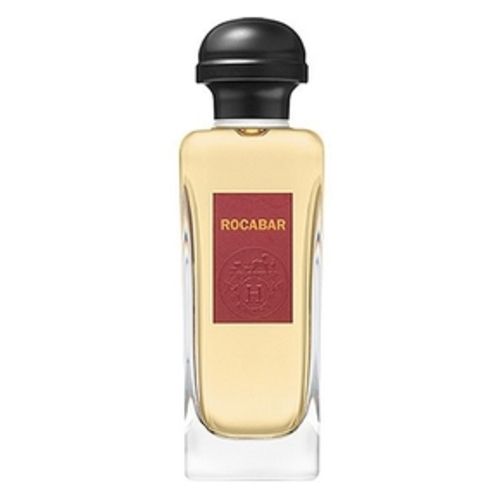
- Rocabar — Gilles Romey’s 1998 woody-spicy fragrance, with its saddlery-inspired backstory and cypress signature. Rocabar sits between Bel Ami and Terre d’Hermès chronologically and stylistically, and it is a useful reference point for anyone charting the evolution of Hermès masculine composition.
Reading a little further out, Galop d’Hermès shows how Hermès has continued to interpret the leather register in more recent years, and it makes a useful counterpoint to Terre d’Hermès — not because the fragrances smell alike, but because together they illustrate the two poles of what the house is willing to call a masculine perfume.
A quick concentration comparison
For readers considering which version of Terre d’Hermès to own:
- Eau de Toilette — the most versatile and the most frequently gifted. Brighter opening, lighter base, the easiest entry to the composition.
- Parfum — the version reviewed here. Denser, slower, with a longer drydown; the best choice for wearers who want the composition at full weight.
- Eau Très Fraîche — a lighter summer reading, citrus-forward, with much of the mineral signature preserved.
- Eau Intense Vetiver — the greenest and most herbaceous flanker; closest to a different fragrance than the others while still clearly belonging to the family.
Closing
Terre d’Hermès Parfum is Ellena’s composition in its most complete dress. Almost twenty years after the original launched, the Parfum is the version that most clearly shows why Hermès took the unusual step of bringing a perfumer in-house in the first place — because an idea this coherent, this architectural, takes time to develop and concentration to express. The EDT is where most wearers meet Terre d’Hermès. The Parfum is where they stay.